Suicide Safer Communities Scheme
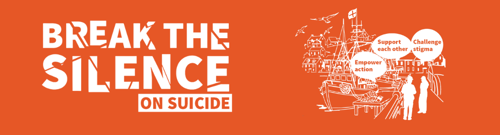
Every conversation can save a life
Suicide Safer Communities (SSC) is a community led initiative designed to change the way we talk about suicide, reduce stigma, and empower the public to play an active role in suicide prevention. This 3 year pilot project focuses on increasing understanding of suicide risk and equipping people with the confidence to support someone in crisis.
A Ground Up Approach
Unlike traditional national strategies that work from the top down, SSC turns the process on its head. Instead of applying a one size fits all model, the project works directly with local communities to understand their needs and co design meaningful, grassroots action plans. This approach ensures that solutions are shaped by communities and for communities.
What the Project Involves
The Suicide Safer Communities programme brings together several key areas of work:
Awareness Raising
The project supports local campaigns and community engagement activities to improve public understanding of suicide, challenge myths, and promote safe, appropriate language around suicide.
Empowering Community Action
SSC brings together residents, groups, organisations, and volunteers through Community Action Groups. These local groups strengthen relationships, encourage shared learning, and develop practical actions that anyone can take—no matter how small—to help prevent suicide.
Training and Skills Development
A range of community level suicide awareness and prevention training opportunities are delivered throughout the pilot. These sessions are widely advertised and designed to be accessible to all.
Localised Action Plans
Using the insights and ideas developed through Community Action Groups, each area will co create its own local suicide prevention action plan. These plans are designed to be sustainable, continuing beyond the life of the pilot project.
Target Areas in Cornwall & the Isles of Scilly
The pilot currently focuses on four key areas:
Camel Valley (Bodmin, Wadebridge, Padstow)
South Kerrier (Helston, Lizard Peninsula)
North Kerrier & East Penwith (Camborne, Redruth, Hayle)
South East Cornwall (Liskeard, Looe, Saltash, Torpoint)
Supporting Communities That Extend Beyond Place:
Although the pilot focuses on the four geographical target areas, we also recognise that “community” can be defined by shared identity, culture, or lived experience rather than place. Some groups face unique pressures and circumstances that may increase vulnerability, and their sense of community extends far beyond local boundaries. For this reason, the pilot also seeks to actively engage and support communities connected through shared experience—such as the fishing community, the farming community, and those with an armed forces background—ensuring the project reaches people wherever these communities live or work.
Using Safe and Appropriate Language
The scheme promotes the use of trauma informed, non stigmatising language around suicide. We encourage the use of terms such as “died by suicide”, “taken their own life”, or “suicide attempt”, and discourage outdated or harmful language such as “committed suicide” or describing someone as “suicidal”. Using safe language helps reduce stigma and supports a more compassionate public conversation.
Stay in the loop
Sign up to our mailing list to receive updates and stay informed about all the work happening through our Suicide Safer Communities programme and how you can be part of building a safer, more supportive community.
Useful links
Appropriate Language Statement - When we talk about suicide, we need to think carefully about the effect of the language that we use. Please refer to the following for appropriate language examples
MHSP training - Whether you want to develop your own understanding or that of your community or organisation, our training team offers a range of mental health and suicide prevention training
Orange Button Community Scheme - Find help, support, and understanding through a network of trained individuals
Towards Zero - Towards Zero suicides is an ambition. It is a way of bringing together and engaging with our community to help to prevent suicide